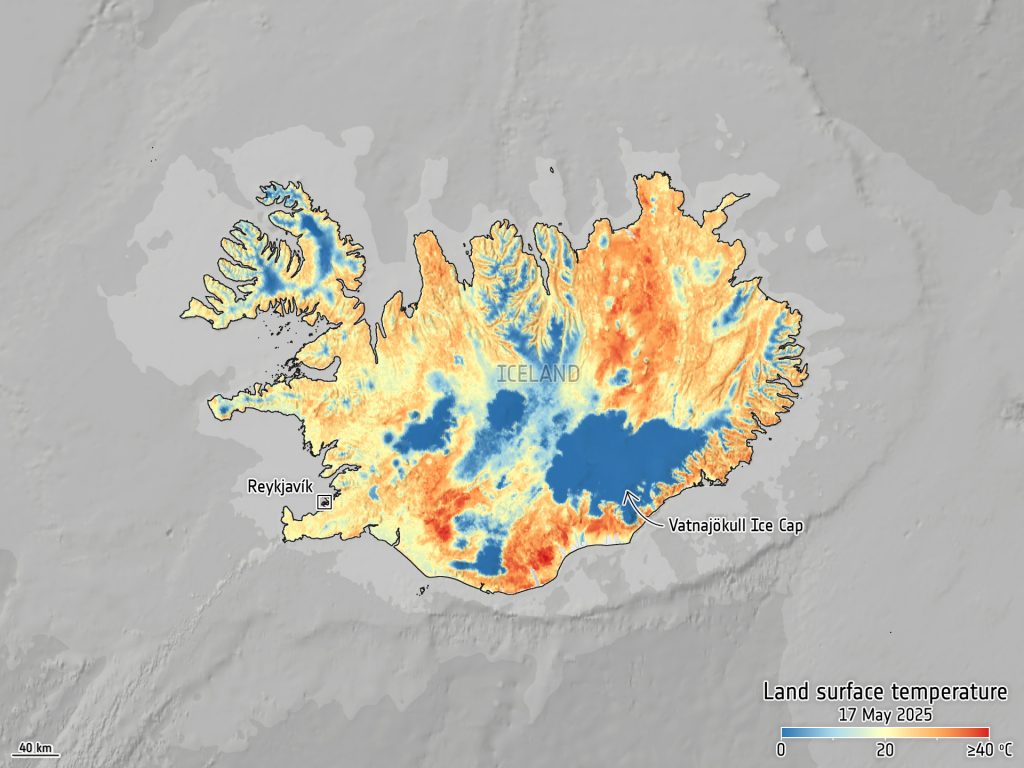
Europe’s summer of record heat, drought and wildfires is no longer only an environmental warning. The disruption is already being felt across the economy, from energy production and river transport to agriculture, tourism and public health.
Low water levels have restricted traffic on the Rhine and Danube, while several nuclear generators have reduced output because of cooling problems. Agricultural forecasts have also been cut, with late-harvested crops including maize and sunflower among those affected.
The pressure is especially severe in southern Europe. Economists expect extreme temperatures to alter peak-season tourism, worsen crop losses and push food prices higher in regions that are already more exposed to heat.
Governments face a second challenge as emergency spending rises while weaker output reduces tax receipts. That combination could stretch public finances and complicate the European Central Bank’s efforts to keep inflation near its target.
The wider concern is that the effects may persist after the weather changes. Researchers warn that damaged infrastructure, lower productivity and disrupted investment can create a chain of economic consequences lasting well beyond the initial event.
 Consumer Watch: Navigating Smartphone Upgrades and the Week’s Best Lifestyle Bargains
  Kia Bucks the Trend: A First Look at the New K4
  How to Record FaceTime Calls with or without Sound on iPhone, iPad, and Mac
  How to Access and Print Your Amazon Receipts Easily
  What Does 5G UC Mean and Is It Better Than Regular 5G?
  Instagram ‘Challenge Required’ Error – What It Means and How to Fix It
  Europe’s extreme summer is already taking a heavy economic toll
  Squeezing the Envelope: How Toyota’s Packaging Genius Evolved from Cult Micro-Car to Budget EV
  Intel’s Radical Reboot: The $5bn Tenstorrent Rumour and a Foundry Renaissance