
In 2023, UK house prices experienced a 1.8% decline, marking the final City trading day of the year with this significant economic news. Nationwide, the building society, reported this drop, which is lesser than earlier projections of a potential over 10% fall. Analysts had anticipated a more substantial decrease at the year’s outset, but the market recovered due to the decline in mortgage rates during the autumn period.
The monthly data reflected a decrease in the average price of a mortgaged house, dropping to £257,443 from £258,557 in November. Robert Gardner, Nationwide’s chief economist, noted that the year concluded with a 1.8% drop in house prices compared to December 2022, placing prices almost 4.5% below the all-time high recorded in late summer 2022. When considering seasonal effects, prices remained flat compared to November.
Northern Ireland and Scotland emerged as the only regions in the UK witnessing a rise in house prices. Northern Ireland led the growth with a 4.5% increase, while Scotland saw a more modest 0.5% rise. Conversely, East Anglia experienced the steepest decline, with prices falling by 5.2% over the year.
Gardner highlighted the overall weakness in housing market activity throughout 2023, indicating a 10% reduction in total transactions from pre-pandemic levels in the last six months, with mortgage-related transactions dropping by approximately 20%. This decline was attributed to increased borrowing costs. On a contrasting note, cash transactions remained higher than pre-COVID levels.
Looking ahead, the London stock market concluded trading early today, rounding off a year where the FTSE 100 index trailed behind other European markets, posting a gain of around 3.6% while counterparts experienced over 12% growth. In contrast, Wall Street demonstrated a more robust performance, witnessing record highs in both the Dow Jones and S&P 500 indices.
Senior analyst Ipek Ozkardeskaya from Swissquote Bank commented on the unexpected turn of events in 2023. Forecasts of a US recession did not materialize as the US witnessed approximately 5% growth in Q3. Similarly, expectations of China’s reopening post-COVID contributing to global inflation did not align with reality, with China facing unexpected deflation and a deepening property crisis a year after lifting zero-COVID measures.
The anticipated reversal of the negative correlation between stocks and bonds amid a recession also did not occur. Bond markets, initially facing a tough year with potential losses, experienced a strong recovery towards the end of the year. In October, bond funds were heading towards a third consecutive year of losses but have since demonstrated a significant upturn. The Bloomberg Global Aggregate Total Return Index recorded an impressive rise of nearly 10% over November and December, marking its best two-month performance since data recording began in 1990. This surge was driven by growing expectations of central banks worldwide slashing interest rates in the upcoming year.
 Banking Sector Evolves as AI Drives Productivity and Goldman Sachs Expands UK Footprint
  Tesla’s European fortunes take a hit as Chinese rivals gain ground
 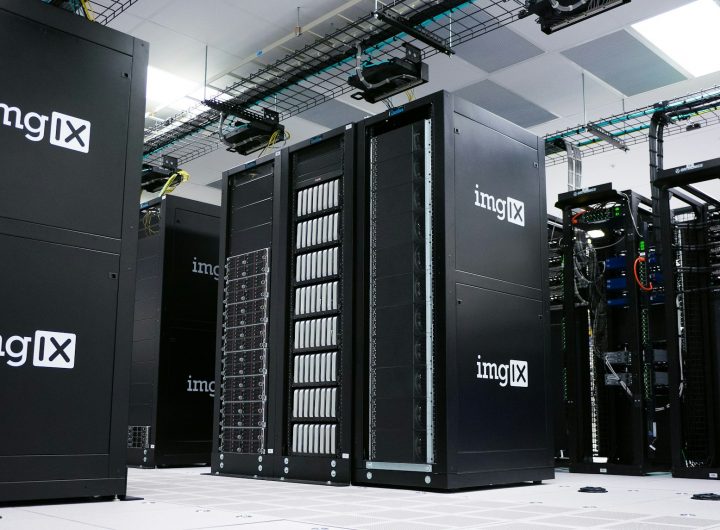 AWS Receives Final Approval for €15.7 Billion Data Centre Expansion in Aragon
  Construction Begins on 2.5-Million-Kilometre Telescope to Detect Gravitational Waves
  Porsche’s Leipzig Plant Hit by Cuts Amid Ongoing Automotive Crisis
  Mercedes-Benz Expands eActros 600 Line-Up for Long-Haul Transport
  Kia Bucks the Trend: A First Look at the New K4
  iPhone’s yellow battery mystery solved as Apple mandates shift to iOS 26