
In 2023, UK house prices experienced a 1.8% decline, marking the final City trading day of the year with this significant economic news. Nationwide, the building society, reported this drop, which is lesser than earlier projections of a potential over 10% fall. Analysts had anticipated a more substantial decrease at the year’s outset, but the market recovered due to the decline in mortgage rates during the autumn period.
The monthly data reflected a decrease in the average price of a mortgaged house, dropping to £257,443 from £258,557 in November. Robert Gardner, Nationwide’s chief economist, noted that the year concluded with a 1.8% drop in house prices compared to December 2022, placing prices almost 4.5% below the all-time high recorded in late summer 2022. When considering seasonal effects, prices remained flat compared to November.
Northern Ireland and Scotland emerged as the only regions in the UK witnessing a rise in house prices. Northern Ireland led the growth with a 4.5% increase, while Scotland saw a more modest 0.5% rise. Conversely, East Anglia experienced the steepest decline, with prices falling by 5.2% over the year.
Gardner highlighted the overall weakness in housing market activity throughout 2023, indicating a 10% reduction in total transactions from pre-pandemic levels in the last six months, with mortgage-related transactions dropping by approximately 20%. This decline was attributed to increased borrowing costs. On a contrasting note, cash transactions remained higher than pre-COVID levels.
Looking ahead, the London stock market concluded trading early today, rounding off a year where the FTSE 100 index trailed behind other European markets, posting a gain of around 3.6% while counterparts experienced over 12% growth. In contrast, Wall Street demonstrated a more robust performance, witnessing record highs in both the Dow Jones and S&P 500 indices.
Senior analyst Ipek Ozkardeskaya from Swissquote Bank commented on the unexpected turn of events in 2023. Forecasts of a US recession did not materialize as the US witnessed approximately 5% growth in Q3. Similarly, expectations of China’s reopening post-COVID contributing to global inflation did not align with reality, with China facing unexpected deflation and a deepening property crisis a year after lifting zero-COVID measures.
The anticipated reversal of the negative correlation between stocks and bonds amid a recession also did not occur. Bond markets, initially facing a tough year with potential losses, experienced a strong recovery towards the end of the year. In October, bond funds were heading towards a third consecutive year of losses but have since demonstrated a significant upturn. The Bloomberg Global Aggregate Total Return Index recorded an impressive rise of nearly 10% over November and December, marking its best two-month performance since data recording began in 1990. This surge was driven by growing expectations of central banks worldwide slashing interest rates in the upcoming year.
 Intel’s Radical Reboot: The $5bn Tenstorrent Rumour and a Foundry Renaissance
  Banking Sector Evolves as AI Drives Productivity and Goldman Sachs Expands UK Footprint
  Tesla’s European fortunes take a hit as Chinese rivals gain ground
 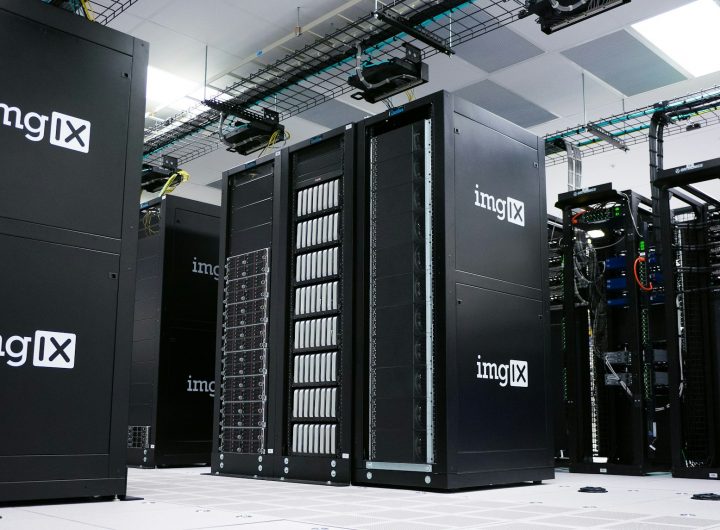 AWS Receives Final Approval for €15.7 Billion Data Centre Expansion in Aragon
  Construction Begins on 2.5-Million-Kilometre Telescope to Detect Gravitational Waves
  Porsche’s Leipzig Plant Hit by Cuts Amid Ongoing Automotive Crisis
  Europe’s extreme summer is already taking a heavy economic toll
  Squeezing the Envelope: How Toyota’s Packaging Genius Evolved from Cult Micro-Car to Budget EV
  Consumer Watch: Navigating Smartphone Upgrades and the Week’s Best Lifestyle Bargains